Restore strength, function, and beauty to damaged or missing teeth
Dental crowns and bridges are proven restorative treatments that can repair damaged teeth and replace missing teeth, restoring both function and appearance. At K-Family Dental in Chatswood, we use high-quality materials and precise techniques to create crowns and bridges that look natural, feel comfortable, and last for many years.
Whether you have a severely damaged tooth that needs protection or gaps from missing teeth affecting your smile and bite, crowns and bridges offer reliable, long-lasting solutions that allow you to eat, speak, and smile with confidence.
A dental crown (also called a cap) is a tooth-shaped covering that encases the entire visible portion of a damaged tooth. Crowns restore the tooth's shape, size, strength, and appearance, protecting it from further damage while looking completely natural.
Your dentist may recommend a crown to:
We offer several crown materials to suit different needs:
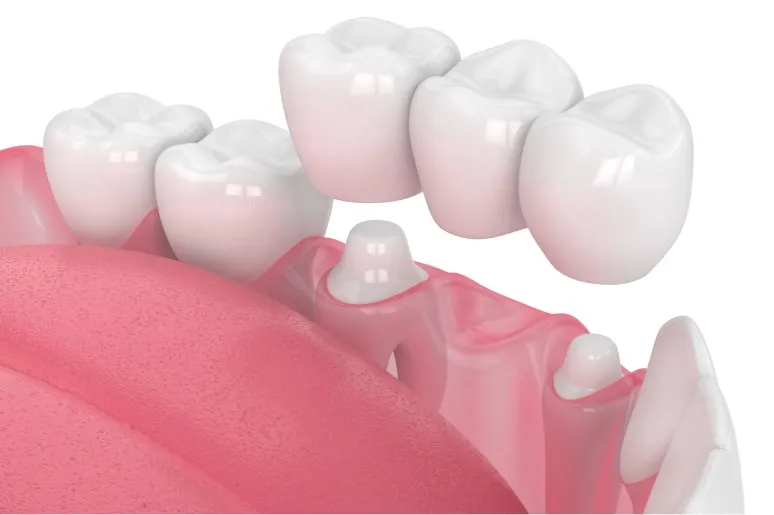
A dental bridge literally bridges the gap created by one or more missing teeth. It consists of artificial teeth (called pontics) held in place by dental crowns cemented onto the natural teeth on either side of the gap (called abutment teeth).
During your initial appointment, we'll:
Your impressions are sent to our dental laboratory where skilled technicians custom-craft your crown or bridge to precise specifications.
While your permanent restoration is being made, you'll wear a temporary crown or bridge. Be gentle with it - avoid sticky foods and chew on the opposite side when possible.
At your second appointment, we'll:
Your new restoration should feel comfortable and natural immediately, though you may need a day or two to get completely used to it.
Get natural-looking, durable crowns and bridges from our experienced team
Schedule Your ConsultationWith proper care, crowns and bridges can last 10-15 years or longer:
Maintain regular check-ups and cleanings every 6 months so we can:
No, the procedure is not painful. We use local anesthesia to numb the area completely before preparing your teeth. You'll feel pressure but no pain during the procedure. Some patients experience mild sensitivity or soreness after the anesthesia wears off, but this typically resolves within a few days and can be managed with over-the-counter pain relievers. Your permanent crown or bridge should feel comfortable once you adjust to it.
With proper care and maintenance, crowns and bridges typically last 10-15 years, and many last even longer. Their longevity depends on several factors including oral hygiene habits, regular dental visits, diet, and whether you grind your teeth. The underlying tooth structure and supporting teeth must remain healthy for the restoration to last. Following our care instructions and attending regular check-ups will maximize the lifespan of your crown or bridge.
Yes! Modern dental ceramics are incredibly lifelike. We carefully match the color, translucency, and shape of your crown or bridge to your natural teeth. Our dental laboratory creates custom restorations that blend seamlessly with your smile. Most people won't be able to tell you have a crown or bridge unless you tell them. We take pride in creating restorations that are both functional and aesthetically pleasing.
While both improve tooth appearance, they serve different purposes and differ in coverage. A crown covers the entire tooth, providing strength and protection for damaged or weak teeth, requiring more tooth preparation. A veneer is a thin shell that covers only the front surface of a tooth, used primarily for cosmetic improvements on healthy teeth with minimal tooth reduction. Crowns are restorative; veneers are primarily cosmetic. We'll recommend the best option based on your tooth's condition and your goals.
Yes, once your permanent crown or bridge is cemented, you can eat normally. In fact, restoring function is one of the main purposes of these treatments. However, we recommend avoiding very hard foods (like ice or hard candy) and sticky foods (like caramel) that could damage or dislodge the restoration. With reasonable precautions, you should be able to enjoy all your favorite foods. Many patients find that their restored teeth actually function better than before treatment.
While uncommon, crowns can occasionally become loose or fall off due to decay in the underlying tooth, cement failure, or trauma. If this happens, call us immediately for an emergency appointment. Keep the crown safe and bring it with you - we may be able to re-cement it. In the meantime, you can use temporary dental cement from a pharmacy to hold it in place temporarily. Don't leave the tooth uncovered for long, as it may be sensitive and susceptible to damage.
Both options have advantages. Bridges are typically less expensive, faster to complete (2-3 weeks vs. 3-6 months), and don't require surgery. However, they require preparing adjacent healthy teeth and don't prevent bone loss in the jaw. Dental implants preserve jawbone, don't affect other teeth, and can last a lifetime with proper care, but they cost more, require surgery, and take longer to complete. The best choice depends on your specific situation, including the condition of adjacent teeth, bone health, budget, and timeline. We'll discuss both options during your consultation to help you make an informed decision.
Not necessarily. While crowns are often placed after root canal treatment to protect the treated tooth, many crowns are placed on teeth with healthy nerves. During crown preparation, we remove only a small amount of enamel - usually not enough to affect the nerve. However, if a tooth is already compromised by deep decay or has a large existing filling, root canal treatment may be needed before or after crown placement if the nerve becomes inflamed. We'll assess your tooth thoroughly and let you know if root canal is necessary.