Periodontal Disease & Gum Treatment

Comprehensive care for healthy gums and strong teeth foundations

Expert Treatment for Gum Disease

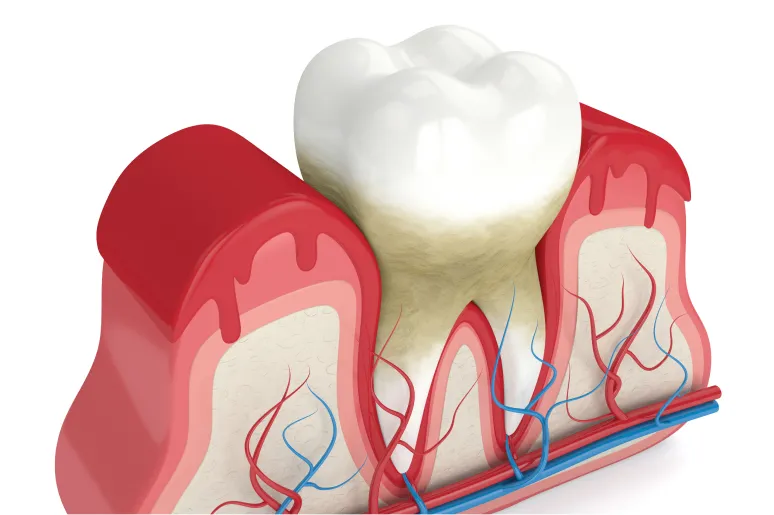
Periodontal disease, commonly known as gum disease, is an infection of the tissues that surround and support your teeth. It's one of the leading causes of tooth loss in adults and affects nearly half of Australians over the age of 30 to some degree. The good news is that periodontal disease is preventable and treatable when detected early.

At K-Family Dental in Chatswood, Sydney, we provide comprehensive periodontal care, from early intervention for gingivitis to advanced treatment for periodontitis. Our experienced dental team uses modern techniques to restore your gum health and protect your teeth for the long term.

Understanding Periodontal Disease Stages

Stage 1: Gingivitis

Gingivitis is the earliest stage of gum disease, characterized by inflammation of the gums caused by plaque buildup at the gumline. Signs include red, swollen gums that may bleed during brushing or flossing. At this stage, the disease is reversible with professional cleaning and improved oral hygiene, as no bone or tissue damage has occurred yet.

Stage 2: Early Periodontitis

If gingivitis is left untreated, it can progress to early periodontitis. At this stage, the infection has begun to destroy the bone that supports your teeth. Gums start to pull away from teeth, forming pockets where bacteria accumulate. You may notice increased bleeding, bad breath, and slight tooth mobility. Professional treatment is essential at this stage to prevent further damage.

Stage 3: Moderate Periodontitis

Moderate periodontitis involves significant bone loss (30-50% around affected teeth) and deeper periodontal pockets (6-7mm). Teeth may begin to shift or loosen, and you might experience pain when chewing. Gum recession becomes more noticeable, and teeth may appear longer. Aggressive treatment is needed to prevent progression.

Stage 4: Advanced Periodontitis

Advanced periodontitis is the most severe stage, with extensive bone loss (over 50%), very deep pockets (8mm or more), and severe gum recession. Teeth become loose and may need extraction. Bad breath, pus between teeth and gums, and difficulty eating are common. Immediate treatment is critical to save remaining teeth.

Warning Signs of Gum Disease

Early detection is key to successful treatment. Contact us if you notice any of these symptoms:

Periodontal Treatment Options

Professional Dental Cleaning

For early-stage gingivitis, a thorough professional cleaning can remove plaque and tartar buildup above the gumline. Combined with improved home care, this is often sufficient to reverse gingivitis and restore gum health.

Scaling and Root Planing (Deep Cleaning)

This is the most common treatment for periodontal disease. Scaling involves removing plaque and tartar from above and below the gumline, including in the periodontal pockets. Root planing smooths the tooth roots, helping gums reattach to teeth and preventing further bacterial buildup. This procedure is typically performed in sections under local anesthesia to ensure your comfort.

Antimicrobial Therapy

Following scaling and root planing, we may apply antimicrobial agents directly into periodontal pockets to help eliminate bacteria and promote healing. This might include antibiotic gels, fibers, or microspheres placed in the pockets, or an antimicrobial mouth rinse prescribed for home use.

Periodontal Maintenance

After initial treatment, regular periodontal maintenance appointments (typically every 3-4 months) are essential to prevent disease recurrence. These appointments involve thorough cleaning above and below the gumline, measurement of pocket depths, and monitoring of your gum health.

Referral for Advanced Treatment

For severe cases of periodontitis, we may refer you to a specialist periodontist for advanced treatments such as gum grafts, bone grafts, or periodontal surgery to regenerate lost tissue and bone.

Concerned About Your Gum Health?

Early treatment can prevent serious complications

Book Your Gum Health Assessment

Preventing Gum Disease and Aftercare

Daily Home Care

Preventing periodontal disease and maintaining healthy gums after treatment requires consistent daily care:

Regular Professional Care

Professional cleanings and check-ups are essential for preventing and managing gum disease. If you have a history of periodontal disease, you'll need more frequent visits (every 3-4 months) rather than the standard 6-month intervals for periodontal maintenance.

Lifestyle Factors

Gum Disease FAQs

What causes periodontal disease?

Periodontal disease is primarily caused by bacterial plaque, a sticky, colorless film that constantly forms on teeth. When plaque isn't removed through regular brushing and flossing, it hardens into tartar (calculus) that can only be removed by professional cleaning. The bacteria in plaque produce toxins that irritate gums and trigger an inflammatory response, eventually destroying gum tissue and bone. Risk factors that increase susceptibility include smoking, genetic predisposition, hormonal changes, certain medications, diabetes, poor nutrition, stress, and compromised immune function.

Can gum disease be reversed?

Gingivitis, the earliest stage of gum disease, is completely reversible with professional cleaning and improved oral hygiene. However, once gum disease progresses to periodontitis, the damage to bone and connective tissue is permanent and cannot be fully reversed. That said, with proper treatment and maintenance, periodontitis can be controlled and prevented from progressing further. The earlier gum disease is detected and treated, the better the outcome. This is why regular dental check-ups are so important for early detection.

Is gum disease treatment painful?

Modern gum disease treatment is designed to be as comfortable as possible. For deeper cleaning procedures like scaling and root planing, we use local anesthesia to numb the treatment area, so you shouldn't feel pain during the procedure. Some patients may experience tenderness, sensitivity, or mild discomfort for a few days after treatment, but this typically subsides quickly and can be managed with over-the-counter pain relievers. Most patients report that the treatment is far less uncomfortable than they expected, and the relief from the symptoms of gum disease makes it worthwhile.

How long does periodontal treatment take?

The duration of treatment depends on the severity of your condition. For gingivitis, a single professional cleaning session followed by improved home care may be sufficient, with improvement visible within a week or two. For periodontitis, scaling and root planing is typically performed in 2-4 appointments, treating one section of your mouth at a time. Each appointment lasts 1-2 hours. After initial treatment, it takes several weeks to months for gums to heal and pockets to shrink. You'll then need ongoing periodontal maintenance every 3-4 months indefinitely to keep the disease under control.

Does gum disease affect overall health?

Yes, research has established strong connections between periodontal disease and overall health. The bacteria from gum disease can enter the bloodstream and contribute to systemic inflammation. Studies have linked periodontal disease to increased risk of heart disease, stroke, diabetes complications, respiratory diseases, rheumatoid arthritis, and adverse pregnancy outcomes. Pregnant women with periodontal disease have a higher risk of premature birth and low birth weight babies. Conversely, people with diabetes have a higher risk of developing periodontal disease. Treating gum disease can improve overall health outcomes and help manage systemic conditions.

How much does gum disease treatment cost?

The cost of periodontal treatment varies depending on the severity of the disease and the treatment required. A standard dental cleaning for gingivitis typically costs $150-$250. Scaling and root planing for periodontitis generally ranges from $200-$400 per quadrant (quarter of the mouth), so full-mouth treatment might cost $800-$1,600. Periodontal maintenance visits (every 3-4 months) cost more than regular cleanings due to the additional time and expertise required, typically $200-$300 per visit. Most dental insurance plans cover some portion of periodontal treatment. We'll provide a detailed cost estimate and work with your insurance during your consultation.

Will I lose my teeth if I have gum disease?

Not necessarily. While untreated periodontal disease is a leading cause of tooth loss in adults, early detection and proper treatment can usually save your teeth. Even in advanced cases, many teeth can often be preserved with appropriate periodontal therapy and maintenance. The key is seeking treatment as soon as you notice symptoms and committing to the recommended treatment plan and ongoing maintenance schedule. The earlier you address gum disease, the better your chances of keeping your natural teeth for life.

Can gum disease come back after treatment?

Yes, periodontal disease can recur if proper oral hygiene and maintenance aren't maintained. This is why periodontal disease is often described as a chronic condition that requires ongoing management rather than a one-time cure. After successful treatment, you must maintain excellent home care (brushing, flossing, antimicrobial rinses) and attend regular periodontal maintenance appointments every 3-4 months. These appointments allow us to remove any new plaque and tartar buildup, monitor your gum health, and address any problems before they become serious. With diligent maintenance, you can keep periodontal disease under control indefinitely and enjoy healthy gums.