TMJ Pain (Jaw Pain)
The Temporomandibular Joint (TMJ) disorder may be due to a combination of problems, such as arthritis or a jaw injury.
phone Book Your VisitThe Temporomandibular Joint (TMJ) disorder may be due to a combination of problems, such as arthritis or a jaw injury.
phone Book Your VisitTemporomandibular joint disorder (TMD) is the term used when your teeth and jaw are out of their correct alignment. This may cause a variety of significant oral and general health problems. Your temporomandibular joint (TMJ) is the ball and socket joint that connects your jawbone to your skull. It’s one of the most flexible and frequently used joints in your body, enabling you to move your jaw freely so you can speak, chew, yawn and laugh.
Highly skilled dentists and dedicated staff
Proper aftercare is essential to manage jaw pain and prevent recurrence:
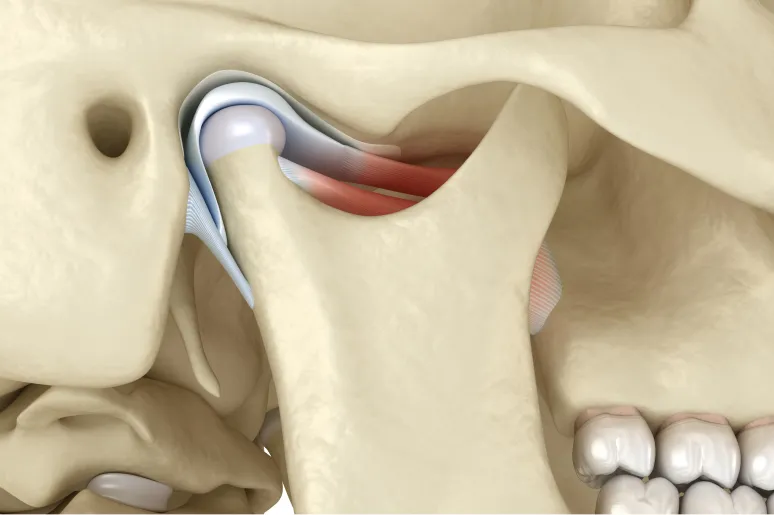
TMD is a condition where the teeth and jaw are out of their correct alignment, potentially causing significant oral and general health problems.
Aftercare involves maintaining good oral hygiene, sticking to soft foods, performing recommended jaw exercises, and engaging in stress-relief activities like yoga.
It is one of the most flexible and frequently used joints in the body, connecting the jawbone to the skull and enabling speech, chewing, yawning, and laughing.