Emergency Dentistry

Fast pain relief and same-day appointments for dental emergencies

Emergency Dental Care in Chatswood

Dental emergencies can happen at any time and often when you least expect them. Whether you're experiencing severe tooth pain, have broken a tooth, or suffered a dental injury, immediate professional care is crucial to relieve pain, prevent further damage, and save your tooth.

At K-Family Dental in Chatswood, Sydney, we understand that dental emergencies require urgent attention. We prioritize emergency appointments to provide same-day care whenever possible, offering prompt pain relief and effective treatment to get you back to comfort quickly. Our experienced team is equipped to handle all types of dental emergencies with skill and compassion.

Common Dental Emergencies We Treat

Severe Toothache

A persistent, severe toothache is often a sign of infection, deep decay, or an abscess. The pain can be debilitating and may indicate a serious problem requiring immediate attention. We'll identify the cause and provide relief, which may include root canal therapy, extraction, or other appropriate treatment.

Broken or Chipped Tooth

Teeth can break or chip from trauma, biting hard objects, or weakened tooth structure. Depending on the severity, we can repair the damage with bonding, veneers, or crowns. It's important to save any pieces of the broken tooth and see us as soon as possible.

Knocked-Out Tooth

A tooth knocked completely out of its socket is a true dental emergency. Time is critical - if you can see us within 30-60 minutes, there's a good chance we can save and re-implant the tooth. Handle the tooth by the crown only, rinse gently if dirty, and keep it moist in milk or saliva until you reach our office.

Dental Abscess

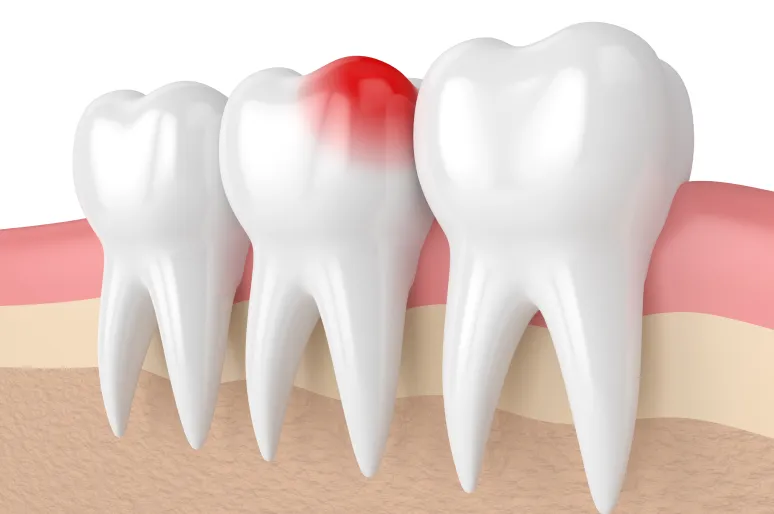
An abscess is a pocket of pus caused by bacterial infection, appearing as a painful swelling on the gums. Left untreated, the infection can spread to other parts of the body. We'll drain the abscess, treat the infection with antibiotics, and address the underlying cause.

Lost Filling or Crown

When a filling or crown falls out, the exposed tooth becomes vulnerable to damage and sensitivity. We can replace the restoration quickly to protect the tooth and restore function.

Soft Tissue Injuries

Injuries to the lips, cheeks, tongue, or gums that cause bleeding or lacerations need prompt attention. We can control bleeding, clean the wound, and determine if stitches are necessary.

Object Stuck Between Teeth

Food or objects wedged between teeth can cause pain and damage to gums. If gentle flossing doesn't remove it, we can safely extract the object without injuring soft tissue.

Broken Denture or Orthodontic Appliance

Damaged dentures or broken braces can be painful and interfere with eating. We offer emergency repairs to restore comfort and function.

What to Do in a Dental Emergency

Immediate Steps

For Knocked-Out Teeth

Having a Dental Emergency?

Call us now for same-day emergency dental care in Chatswood

Call (02) 9419 0090

Our Emergency Treatment Process

Step 1: Contact Us

Call our office and describe your emergency. We'll ask questions to assess the severity and schedule a same-day appointment whenever possible. If calling outside business hours, our voicemail provides instructions for urgent care.

Step 2: Initial Assessment

Upon arrival, we'll quickly examine your teeth and take necessary X-rays to diagnose the problem accurately. We'll explain what's wrong and discuss treatment options.

Step 3: Pain Relief

Our first priority is to relieve your pain. This may involve anesthesia, medications, or immediate treatment of the underlying problem.

Step 4: Emergency Treatment

We'll perform the necessary treatment to address your emergency, which might include:

Step 5: Follow-Up Care

We'll provide detailed aftercare instructions and schedule any necessary follow-up appointments to ensure proper healing and long-term resolution.

Preventing Dental Emergencies

While not all emergencies can be prevented, you can reduce your risk by:

Emergency Dentistry FAQs

How quickly can I be seen for a dental emergency?

We prioritize dental emergencies and strive to see emergency patients the same day whenever possible. When you call, describe your situation, and we'll do our best to accommodate you as quickly as possible. For severe emergencies during business hours, we may be able to see you within an hour. If you're experiencing a life-threatening situation such as severe swelling affecting breathing, go to the nearest hospital emergency room immediately.

What if I have an emergency outside of business hours?

Our voicemail provides instructions for after-hours emergencies. For urgent situations on weekends or evenings, call (02) 9419 0090 and follow the prompts. For life-threatening emergencies such as severe swelling, difficulty breathing, or uncontrolled bleeding, go to the nearest hospital emergency room or call 000. Otherwise, call us first thing the next business day, and we'll see you as soon as possible.

How much does emergency dental treatment cost?

The cost varies depending on the type of treatment needed. Emergency consultations typically have an additional fee due to the urgency and scheduling disruption. However, we believe dental emergencies shouldn't be ignored due to cost concerns. We'll provide a cost estimate before treatment and discuss payment options. Many treatments are covered by dental insurance. We accept HICAPS for immediate insurance claims and offer payment plans for larger treatments.

Should I go to the emergency room or the dentist for a dental emergency?

For most dental emergencies such as toothaches, broken teeth, or lost fillings, a dentist is the appropriate choice. Hospital emergency rooms can provide pain relief and antibiotics but typically cannot perform dental procedures like root canals, extractions, or restorations - you'll still need to see a dentist. Go to the hospital emergency room only for life-threatening situations such as uncontrolled bleeding, swelling affecting breathing or swallowing, or jaw fractures from trauma. For dental emergencies, calling us will get you the right treatment faster and more cost-effectively.

Can a toothache go away on its own?

While tooth pain may temporarily subside, this doesn't mean the problem has resolved. If pain goes away suddenly, it may indicate that the nerve has died, but the infection continues to spread. Never ignore a toothache - it's a warning sign that something is wrong. Untreated dental infections can lead to serious complications including abscess, bone loss, and systemic infection. Even if pain decreases, call us for an examination to identify and treat the underlying cause before it worsens.

How can I manage dental pain until my emergency appointment?

Until you can see us, try these steps: Take over-the-counter pain relievers like ibuprofen or acetaminophen as directed on the packaging (don't exceed recommended dosages). Apply a cold compress to the outside of your face for 10-20 minutes at a time. Rinse your mouth with warm salt water (1/2 teaspoon salt in 8 oz warm water). Avoid hot, cold, or sweet foods and beverages that may trigger pain. Keep your head elevated when lying down. Don't place aspirin directly on the gums as it can burn tissue. These measures provide temporary relief only - professional treatment is necessary to address the root cause.

What is a dental abscess and why is it dangerous?

A dental abscess is a pocket of pus caused by bacterial infection, typically appearing as a painful bump on the gums. It occurs when bacteria enter the tooth through a cavity, crack, or gum disease. Abscesses are dangerous because the infection can spread to the jawbone, surrounding tissues, and throughout the body if left untreated. Symptoms include severe, throbbing pain, swelling, fever, bad taste, difficulty swallowing, and swollen lymph nodes. An abscess will not heal on its own and requires professional treatment including drainage, antibiotics, and addressing the source of infection through root canal or extraction. Seek immediate emergency care if you suspect an abscess.

Will I need anesthesia for emergency dental treatment?

Most emergency dental procedures require local anesthesia to ensure your comfort. Local anesthesia numbs only the specific area being treated, so you remain conscious and alert but feel no pain. For more complex procedures or for patients with severe anxiety, we can discuss sedation options. Our goal is to make your emergency treatment as comfortable as possible while quickly addressing the problem. Many patients are surprised at how little discomfort they experience during emergency treatment once the area is properly numbed.